

On This Day: 17th October
On October 17, 1973, the Organization of Arab Petroleum Exporting Countries (OAPEC), a subset of OPEC, announced an oil embargo against nations perceived as supporting Israel during the Yom Kippur War. This decision triggered the 1973 oil crisis, a seismic event that dramatically altered global energy politics and economics.
Key points:
-
The embargo targeted primarily the United States and other Western nations that supported Israel in the ongoing Arab-Israeli conflict.
-
Oil prices quadrupled, jumping from approximately $3 per barrel to nearly $12 by 1974.
-
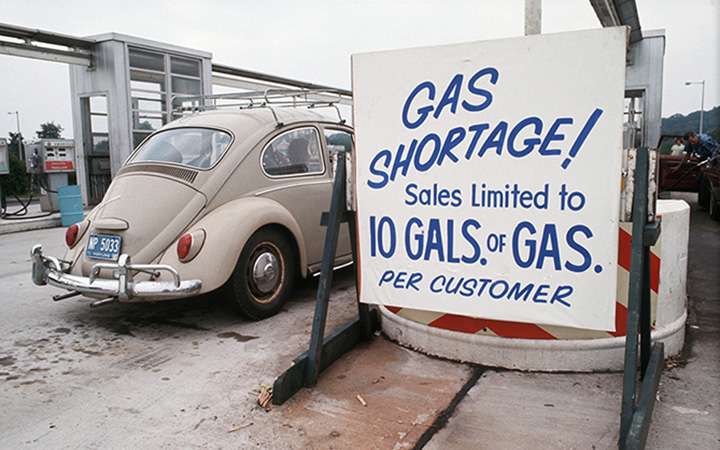
The crisis led to fuel shortages, rationing, and economic recessions in many Western countries.
-
It exposed the vulnerability of oil-dependent economies and sparked a global push for energy security and alternative energy sources.
-
The embargo significantly increased OPEC's political and economic influence on the world stage.
Long-term impacts:
- Accelerated research into renewable energy and energy efficiency.
- Shifted global economic power dynamics, with oil-producing nations gaining more leverage.
- Prompted changes in automotive design, with a new focus on fuel efficiency.
- Influenced foreign policies, especially regarding Middle Eastern politics.
One interview, 1000+ job opportunities
Take a 10-min AI interview to qualify for numerous real jobs auto-matched to your profile 🔑
You're early. There are no comments yet.
Be the first to comment.